When IT, Engineering and Construction Meet: Interdisciplinary Innovation in Practice

When IT, Engineering and Construction Meet: Interdisciplinary Innovation in Practice
Ireland’s construction sector is undergoing a digital transformation. Where once blueprints and manual calculations defined the process, today data, automation and digital collaboration are reshaping how buildings are designed, built and maintained. When IT, engineering and construction meet, new opportunities arise to make projects smarter, more sustainable and more efficient. But what does this interdisciplinary innovation look like in practice – and what does it take to make it work?
From Blueprint to Digital Twin
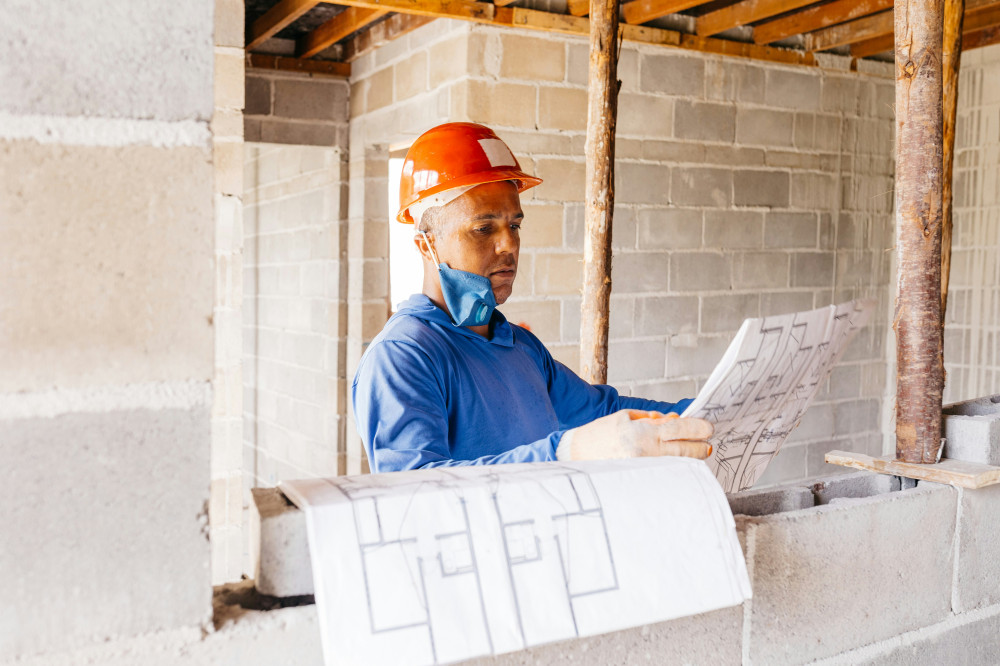
For decades, construction projects relied on 2D drawings and separate systems for design, engineering and project management. Now, Building Information Modelling (BIM) has become the backbone of digital construction. BIM brings together all data about a building – from structure and materials to energy performance and maintenance – in one shared model.
For engineers, this means more accurate calculations and better coordination. For IT professionals, it opens the door to developing software that can simulate everything from energy use to logistics on site. For contractors, it provides a real-time overview that reduces errors and waste.
The concept of the digital twin – a virtual replica of a building – allows teams to test solutions before they are implemented in the real world. This saves time, money and resources, while creating a common language between disciplines that once worked in isolation.
Data as a Building Material
Data has become a new kind of building material. Sensors embedded in buildings can measure temperature, humidity, energy consumption and occupancy, and this information can be used to optimise performance and maintenance.
Here, IT expertise plays a central role. Data must not only be collected but also analysed and translated into actionable insights. This requires collaboration between software developers, building engineers and facility managers, who together can determine how technology best supports a building’s function.
A practical example is smart ventilation systems that automatically adjust airflow based on the number of people in a room. Such systems rely on sensors, algorithms and an understanding of both indoor climate and human behaviour – a textbook case of interdisciplinary innovation.
New Roles and Skills on Site
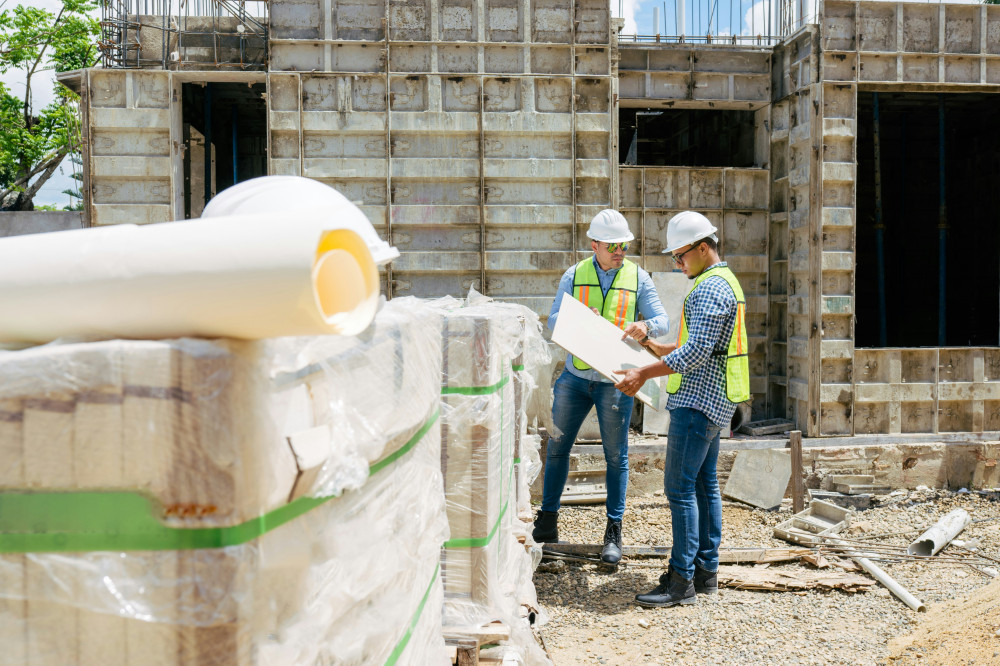
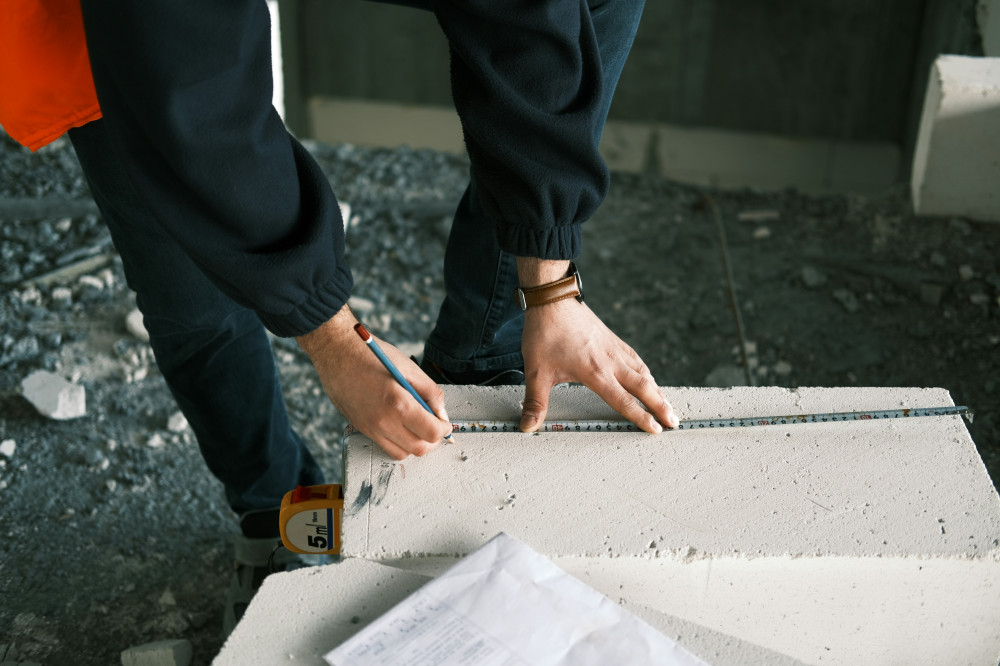
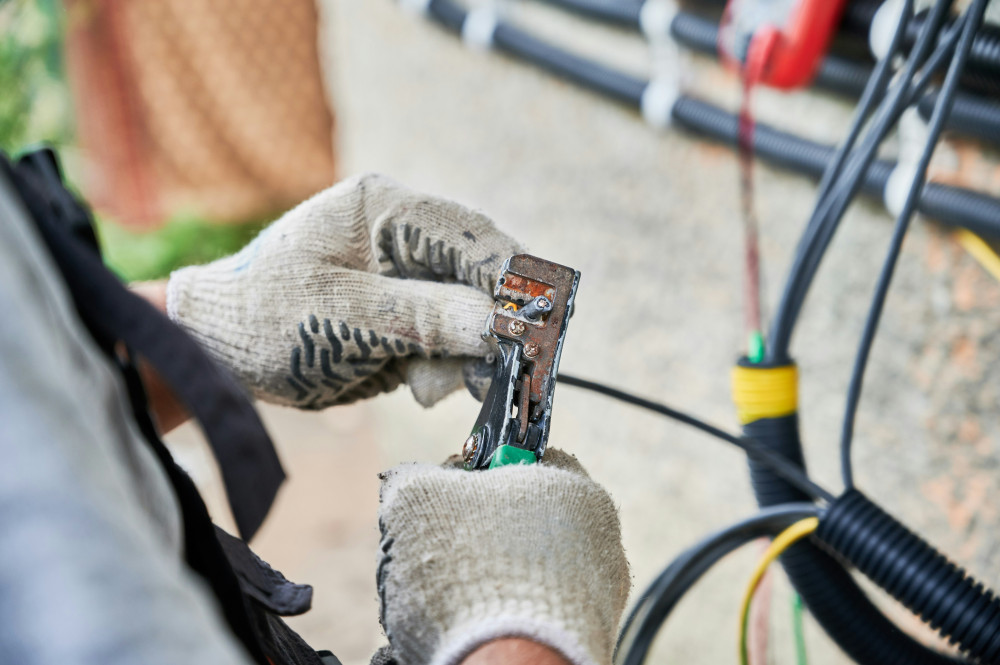
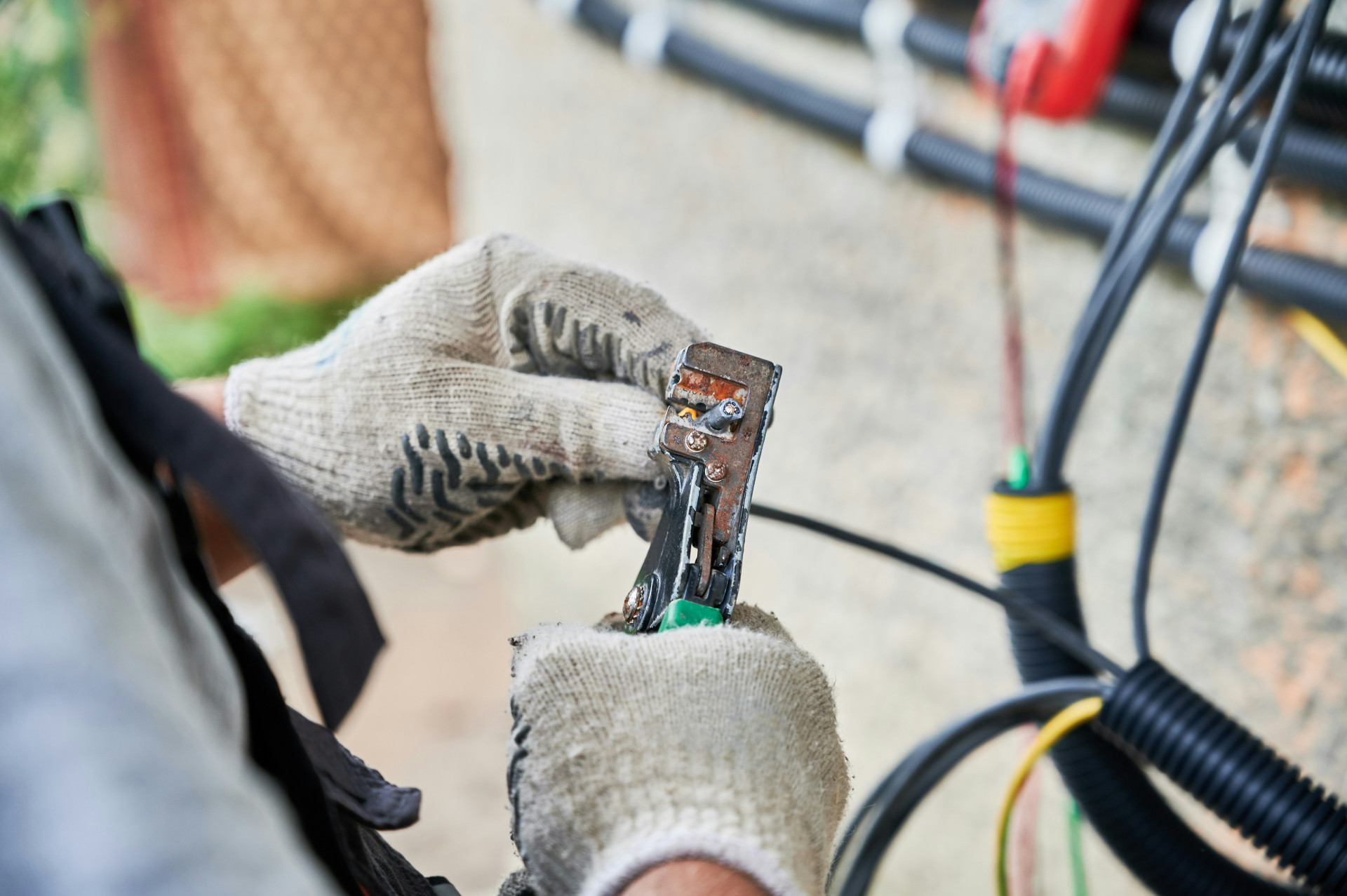
As IT and engineering become integral to construction, the daily life on Irish building sites is changing. Digital tools such as tablets, drones and 3D scanners are now as common as hammers and spirit levels.
This shift means that tradespeople and site managers must be comfortable with digital systems, while IT specialists need to understand the realities of on-site work. The traditional divide between “office” and “site” is gradually disappearing.
Many Irish firms are now forming cross-disciplinary teams, where programmers, engineers and construction managers work side by side. This fosters a culture where ideas can be tested and refined quickly – and where innovation becomes part of everyday practice.
Sustainability as a Shared Goal
Interdisciplinary innovation is not only about efficiency; it is also about sustainability. When IT and engineering come together, they can create solutions that reduce carbon emissions, minimise waste and extend the lifespan of buildings.
Digital tools make it possible to calculate the environmental impact of materials during the design phase, while sensors and data analytics ensure that buildings operate as energy-efficiently as possible.
In Ireland, where the government’s Climate Action Plan sets ambitious targets for reducing emissions, such collaboration is essential. Technology provides the data and systems, engineers turn them into practical solutions, and the construction industry brings them to life. The result is not just smarter buildings – but greener ones.
Læs også:

The Future of Construction Is Collaborative
Interdisciplinary innovation requires more than technology – it requires a cultural shift. It’s about building mutual respect between professions and being willing to work across traditional boundaries.
The most successful projects are those where software developers understand the logic of concrete, and engineers appreciate the power of data analytics. When IT, engineering and construction meet as equals, they create solutions none of them could have achieved alone.
The future of Irish construction will not be built solely from steel, glass and concrete – but from knowledge, collaboration and digital innovation.
Læs også: