Documentation and Control: The Key to Better Construction

Documentation and Control: The Key to Better Construction
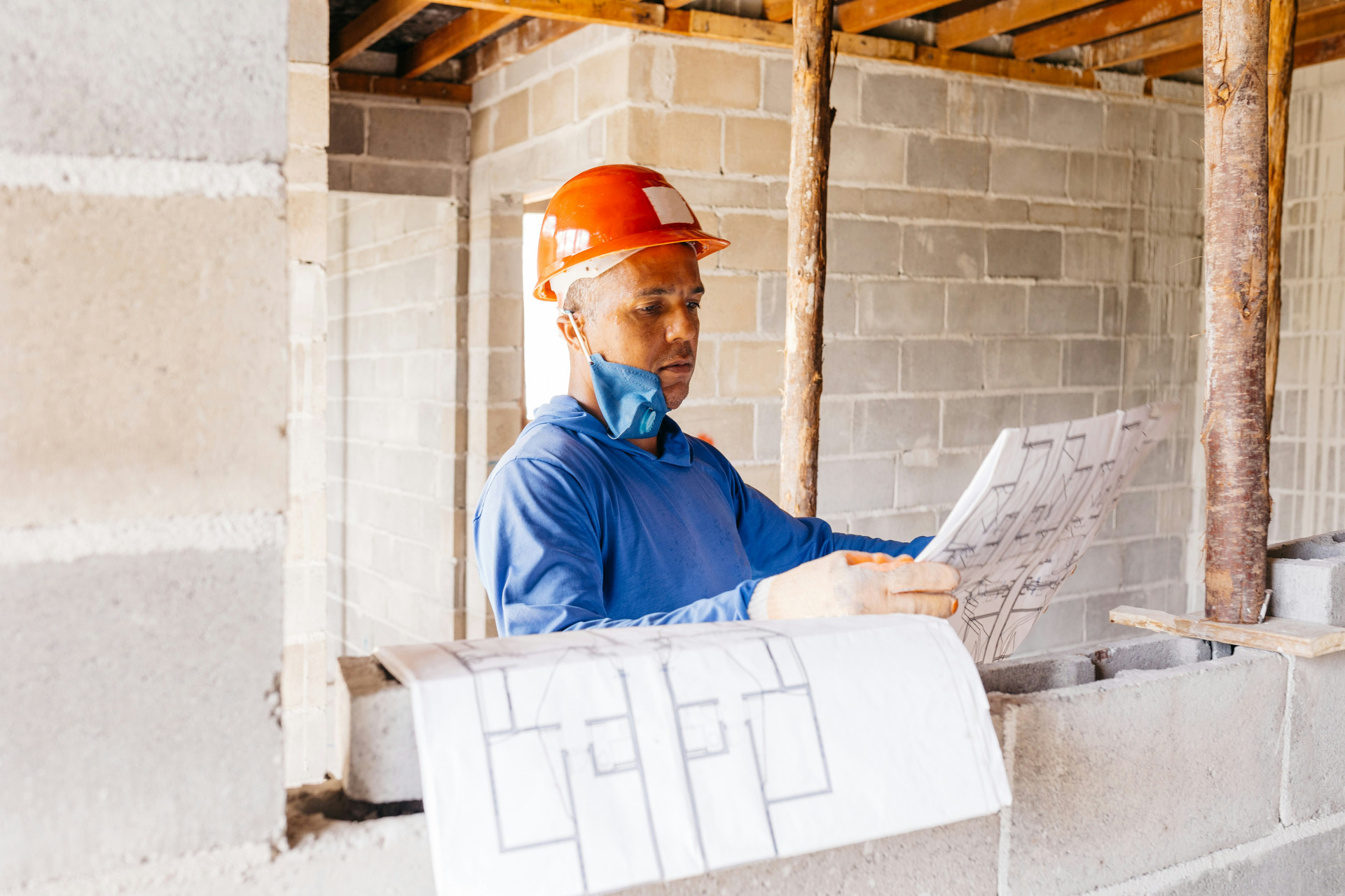
Ireland’s construction industry is evolving rapidly. With growing demands for quality, sustainability, and safety, projects are becoming more complex, and collaboration between clients, designers, and contractors requires greater transparency than ever before. In this context, documentation and control are not just administrative tasks – they are the foundation for better, more efficient construction.
Why Documentation Matters
At its core, documentation is about traceability. When materials, processes, and decisions are recorded systematically, it becomes possible to understand what was done, when, and by whom. This provides assurance of quality and a solid basis for resolving any issues that may arise later.
Poor documentation, on the other hand, can lead to costly mistakes, delays, and disputes. If questions arise about whether work was carried out correctly, it can be difficult to prove anything without clear records. Good documentation is therefore not only a requirement from authorities and clients – it is also a safeguard for everyone involved in the project.
Control as Part of Quality
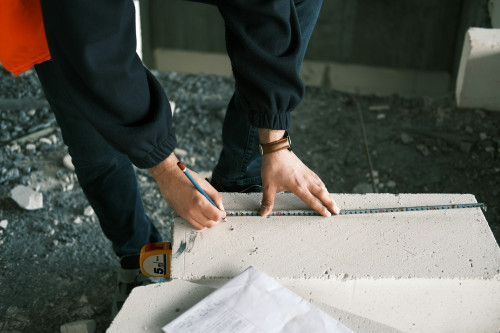
Control in construction is not about mistrust; it is about quality assurance. Regular inspections and checks help identify errors early, before they develop into major problems. This includes both technical controls – such as measurements, tests, and inspections – and administrative controls, ensuring that documentation is complete and accurate.
An effective control system is integrated into the construction process, not added as an afterthought. Everyone involved should know when and how checks are to be carried out, and results should be recorded immediately. This approach ensures consistency and accountability throughout the project.
Læs også:

Digital Tools Make It Easier
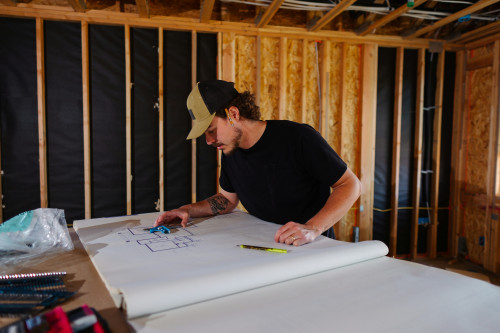
Digitalisation has transformed how documentation and control are managed. Where once paper forms and binders dominated, today’s digital platforms allow photos, reports, and approvals to be uploaded directly from the site.
This streamlines workflows and reduces the risk of errors. Data can be shared in real time between contractors, consultants, and clients, ensuring that everyone has access to the same up-to-date information.
Across Ireland, more companies are discovering that digital documentation not only saves time but also strengthens collaboration. When everyone can see what has been done and what remains, communication becomes clearer and trust grows.
From Obligation to Culture
While documentation and control often stem from legal requirements and standards – such as those set out in the Building Control Regulations or the Construction Products Regulation – they ultimately depend on culture. Leadership must prioritise these areas, and employees must understand their importance.
When documentation becomes a natural part of daily work, rather than a box-ticking exercise, quality improves significantly. It’s about building a shared understanding that good documentation is a tool for delivering better construction, not a barrier to progress.
Building for the Future
As Ireland moves toward more sustainable and energy-efficient construction, documentation will play an even greater role. Tracking the origin of materials, energy use, and environmental impact throughout a building’s life cycle is becoming essential.
This creates new demands for systems and collaboration – but also new opportunities. When building data is accessible and reliable, it can be used to optimise maintenance, improve performance, and inform future projects.
Documentation and control are therefore much more than compliance measures. They are the backbone of a construction industry that is safe, efficient, and sustainable – one that can stand the test of time and meet the expectations of future generations.
Læs også: