Renovation of Public Buildings: Strategies that Meet the Needs of Many Users

Renovation of Public Buildings: Strategies that Meet the Needs of Many Users
When public buildings are renovated, the goal is rarely just to replace worn-out materials or improve energy efficiency. It is equally about creating spaces that work for a wide range of users – from staff and citizens to visitors with special needs. A successful renovation therefore requires technical expertise, an understanding of user behaviour, and a clear vision for how the building will serve its community in the future.
This article explores how renovation projects can be approached so that the results are functional, sustainable, and inclusive – with a particular focus on the Irish context.
Understanding the Building’s Role in the Community
Before any renovation begins, it is essential to understand the role the building plays in its local community. A town hall, library, or community centre is not just a physical structure – it is a place where people meet, work, and share experiences.
In Ireland, many public buildings are deeply tied to local identity and heritage. Whether it is a Georgian courthouse or a mid-century school, these spaces often carry emotional and historical significance. Planning should therefore start with a thorough needs assessment: Who uses the building today, and who will use it in the future? How are community needs changing? By involving staff, local residents, and community groups early in the process, planners can ensure that the renovation reflects real needs rather than assumptions.
Flexibility as a Guiding Principle
Public buildings must often accommodate a variety of activities. A library might serve as a study space, a cultural venue, and a digital learning hub all at once, while a school may host evening classes or local events outside school hours.
Flexibility is therefore a key principle in modern renovation. Movable partitions, modular furniture, and multi-purpose rooms allow spaces to adapt to changing needs without major expense. In Ireland, where many local authorities are working with limited budgets, designing for flexibility can make a building more resilient and cost-effective in the long term.
Technical systems – such as lighting, ventilation, and digital infrastructure – should also be designed for easy upgrades as technology and regulations evolve.
Accessibility and Inclusion
A public building should be accessible to everyone, regardless of age, mobility, or sensory ability. Accessibility should not be treated as an add-on but as an integral part of the design.
Ramps, automatic doors, and clear signage are essential, but inclusive design goes further. Good acoustics, natural light, and contrasting colours can make spaces more comfortable for older people, children, and those with visual or hearing impairments. In Ireland, compliance with the Disability Act and universal design principles promoted by the Centre for Excellence in Universal Design provide a strong framework for achieving this.
By integrating accessibility from the start, costly retrofits can be avoided later – and the result is a building that works better for everyone.
Sustainability in Practice
Renovation is inherently sustainable because it preserves existing resources rather than starting from scratch. However, there are still many choices that affect a building’s environmental footprint.
Energy efficiency, material selection, and indoor climate should be considered together. This might include using recycled materials, installing high-performance windows, or integrating smart energy management systems. In Ireland, where the government’s Climate Action Plan sets ambitious targets for reducing emissions, public buildings can play a leading role by demonstrating best practice in sustainable renovation.
It is also important to think about the building’s life cycle: How can it be maintained and upgraded in the future without major disruption? A sustainable renovation is not only about low energy use but about creating long-lasting, adaptable solutions for future generations.
Balancing Heritage and Modern Functionality
Many Irish public buildings have architectural or historical value, and renovation must balance preservation with modern functionality. Respecting the original character while introducing new technologies and materials requires careful planning.
For example, restoring a historic façade can be combined with discreet energy upgrades, such as internal insulation or improved glazing. The goal is to let new elements complement – not overshadow – the old. This approach honours the building’s history while ensuring it meets today’s standards for comfort, safety, and efficiency.
User Involvement as a Driving Force
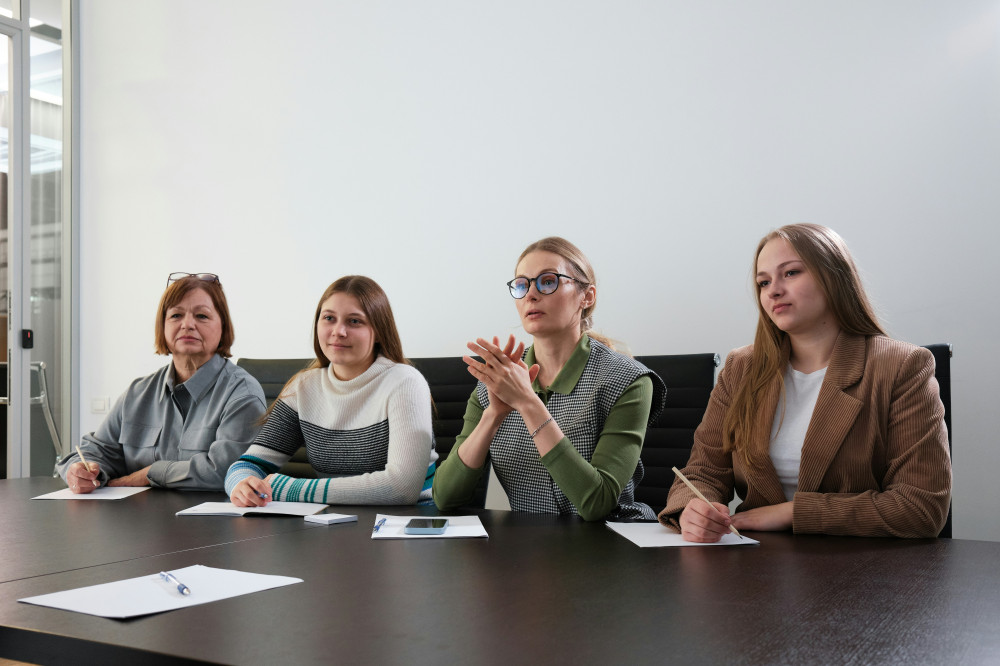
One of the most effective strategies in public renovation projects is active user involvement. When the people who will use the building have a voice in the process, both ownership and satisfaction increase.
Workshops, surveys, and pilot areas can provide valuable insights into how spaces are actually used. These methods often reveal needs that are not visible on architectural drawings – such as the desire for informal meeting areas, better acoustics, or more natural light. Involving users also fosters a sense of community around the project, which can strengthen local engagement long after the renovation is complete.
Læs også:

An Investment in Future Communities
Renovating public buildings is more than a technical exercise – it is an investment in the communities that use them. By taking a holistic approach that integrates function, aesthetics, sustainability, and accessibility, we can create buildings that not only perform better but also strengthen social cohesion.
The best renovations are those where the result feels natural – where old structures gain new life, and where every user can see themselves reflected in the space. In Ireland, as in many places, such projects are not just about preserving buildings, but about renewing the public spirit that they represent.
Læs også: