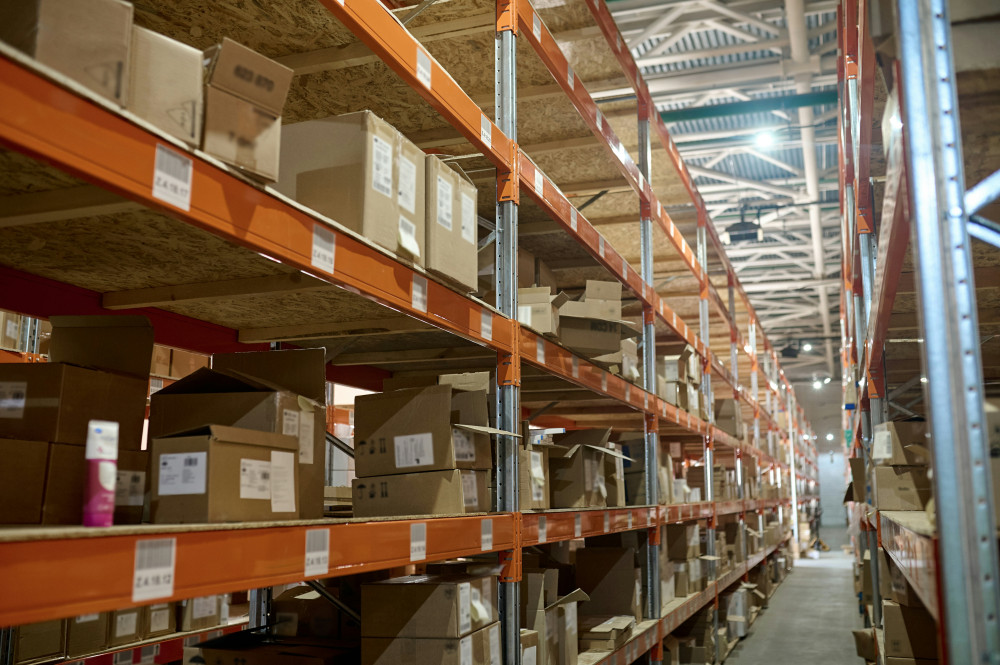
Reduce Waste in the Warehouse – The Path to More Sustainable Operations

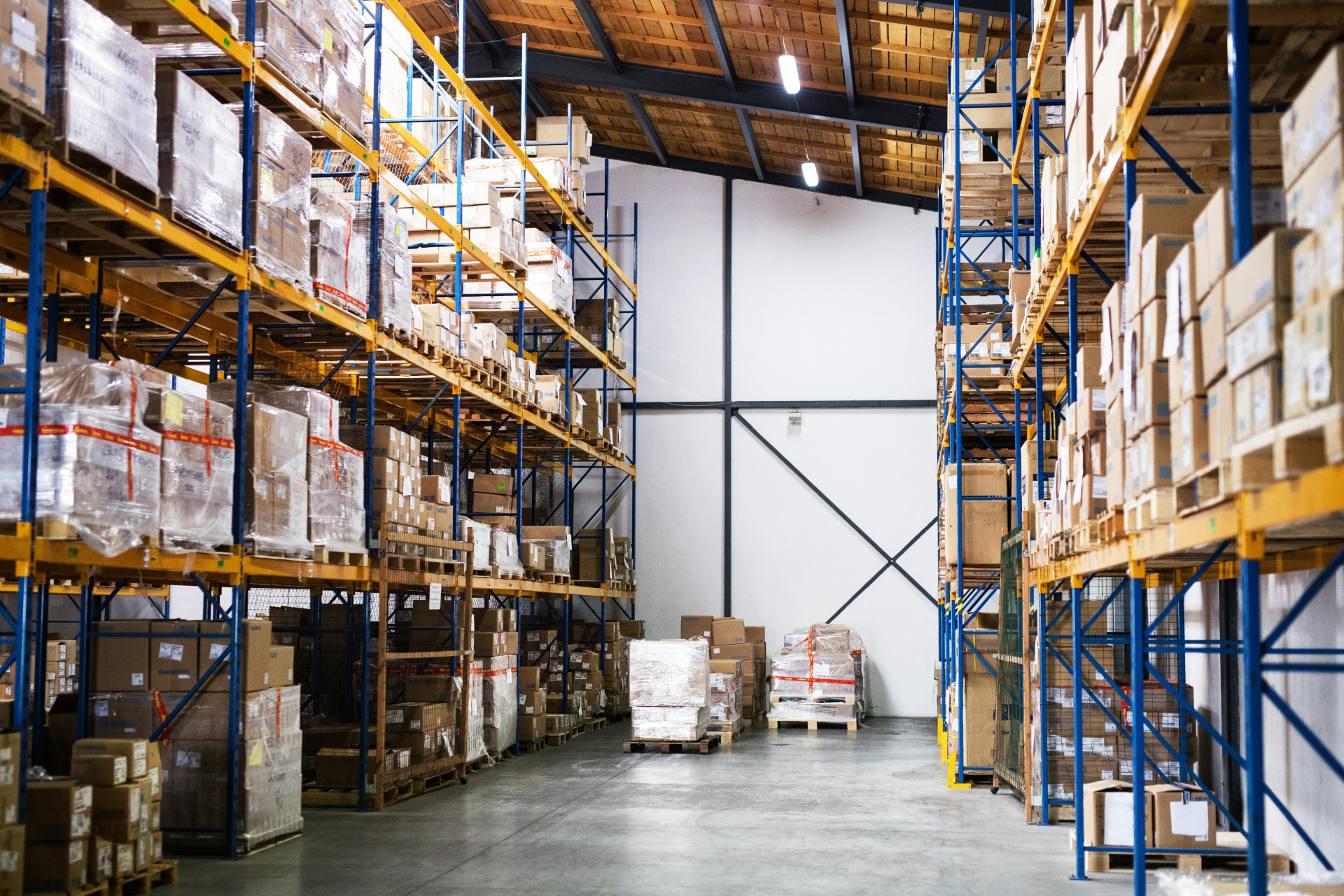
Reduce Waste in the Warehouse – The Path to More Sustainable Operations
An efficient warehouse is not just about keeping the right products in stock – it’s also about minimising waste. Waste in warehouse operations can take many forms: damaged goods, expired products, unnecessary transport, or inefficient workflows. All of these cost money and resources – and increase your environmental footprint. By working systematically to reduce waste, you can create more sustainable operations that benefit both your business and the planet.
Know Your Waste – and Measure It
The first step towards reducing waste is understanding where it occurs. Many companies lack a clear picture of how much is actually lost in daily operations. Start by mapping the most common types of waste:
- Product waste – items that are damaged, outdated, or discarded.
- Time and motion waste – unnecessary steps, waiting time, or duplicated work.
- Space waste – goods that take up valuable storage space and limit efficiency.
- Energy waste – lighting, heating, or cooling that runs when not needed.
Once you have an overview, begin measuring and tracking progress. Even small improvements can make a big difference over time.
Optimise Inventory Management
One of the most effective ways to reduce waste is to improve inventory management. A modern Warehouse Management System (WMS) provides accurate insight into stock levels, expiry dates, and product movements. This helps prevent overstocking and reduces the risk of obsolete goods.
Consider implementing principles such as FIFO (First In, First Out) or FEFO (First Expired, First Out), ensuring that older or time-sensitive products are handled first. This approach minimises waste and ensures that resources are used efficiently.
Build a Culture of Responsibility and Improvement
Technology can do a lot, but the biggest impact often comes from people. A sustainable warehouse depends on a culture where everyone takes responsibility for reducing waste. You can encourage this by:
- Involving employees in identifying improvement opportunities.
- Recognising and rewarding initiatives that reduce waste or improve processes.
- Training staff in proper handling, packing, and storage techniques.
When employees understand how their actions affect both the bottom line and the environment, it becomes easier to create lasting change.
Læs også:


Think Circular – Reuse and Recycle
Sustainability in warehousing is not only about avoiding waste but also about making better use of resources. Consider how materials and packaging can be reused or recycled:
- Use reusable pallets, crates, and packing materials.
- Work with suppliers to return and reuse packaging.
- Sort waste properly so that as much as possible can be recycled.
By adopting a circular mindset, you can reduce both waste volumes and the need for new materials – while sending a strong message about responsible operations.
Use Data for Continuous Improvement
Data is key to identifying patterns and uncovering new opportunities for optimisation. By analysing data from warehouse management, transport, and production, you can pinpoint where waste occurs and how to prevent it.
Schedule regular reviews of key metrics such as waste rates, energy consumption, and space utilisation. This allows you to set clear goals and track progress – ensuring that sustainability becomes an integrated part of daily operations rather than a one-off project.
Sustainability as a Competitive Advantage
Reducing waste is not only about saving money – it’s also about strengthening your company’s reputation. Customers, partners, and employees in Ireland increasingly value responsibility and environmental awareness. A warehouse that operates efficiently and sustainably can therefore become a significant competitive advantage.
By showing that you take responsibility for both the environment and your business performance, you build trust and contribute to a more resource-conscious future.
Læs også: