Digitalisation is transforming warehouse design: From static shelves to dynamic data

Digitalisation is transforming warehouse design: From static shelves to dynamic data
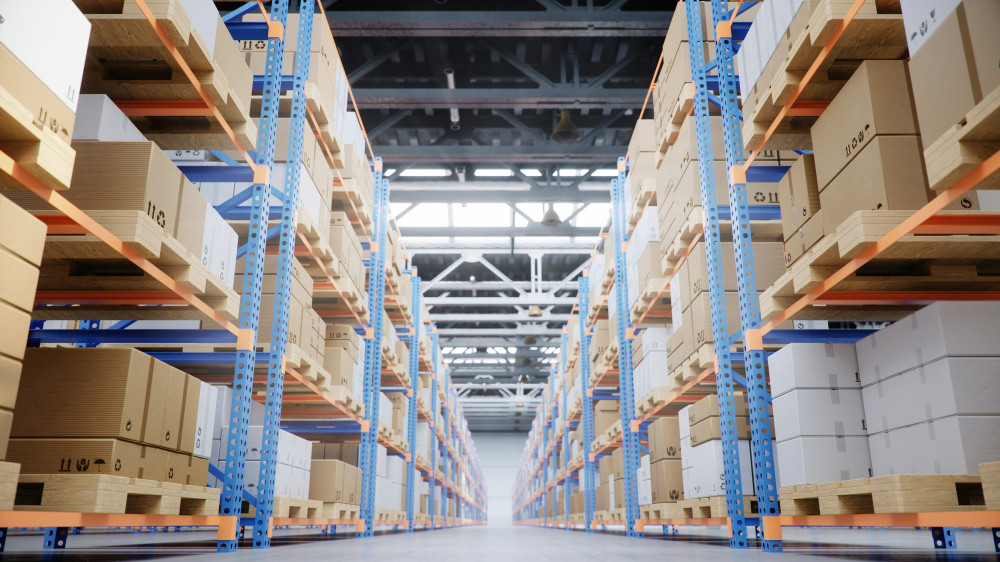
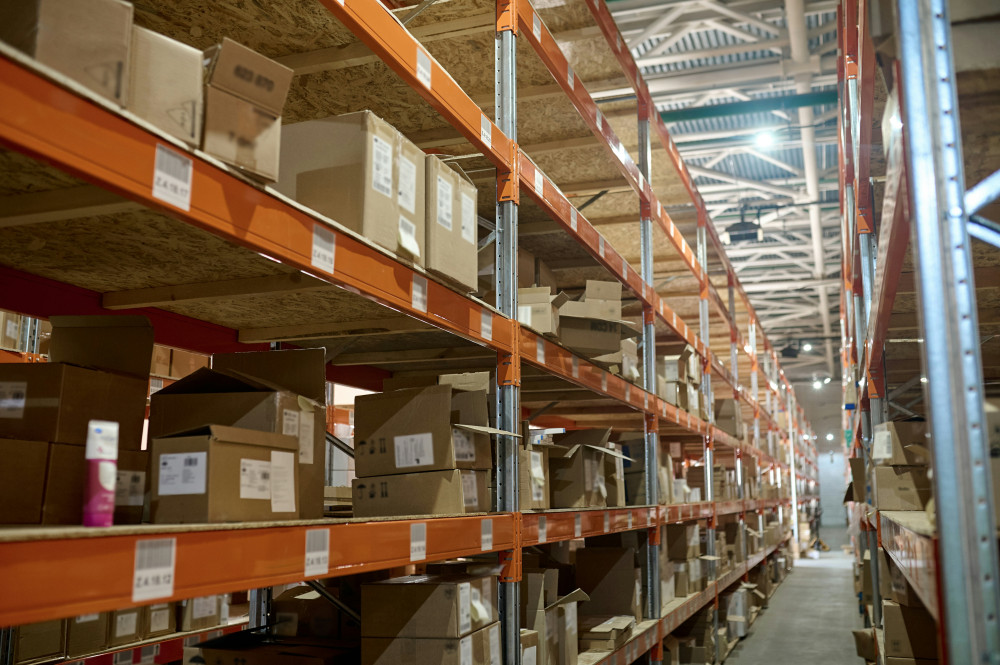
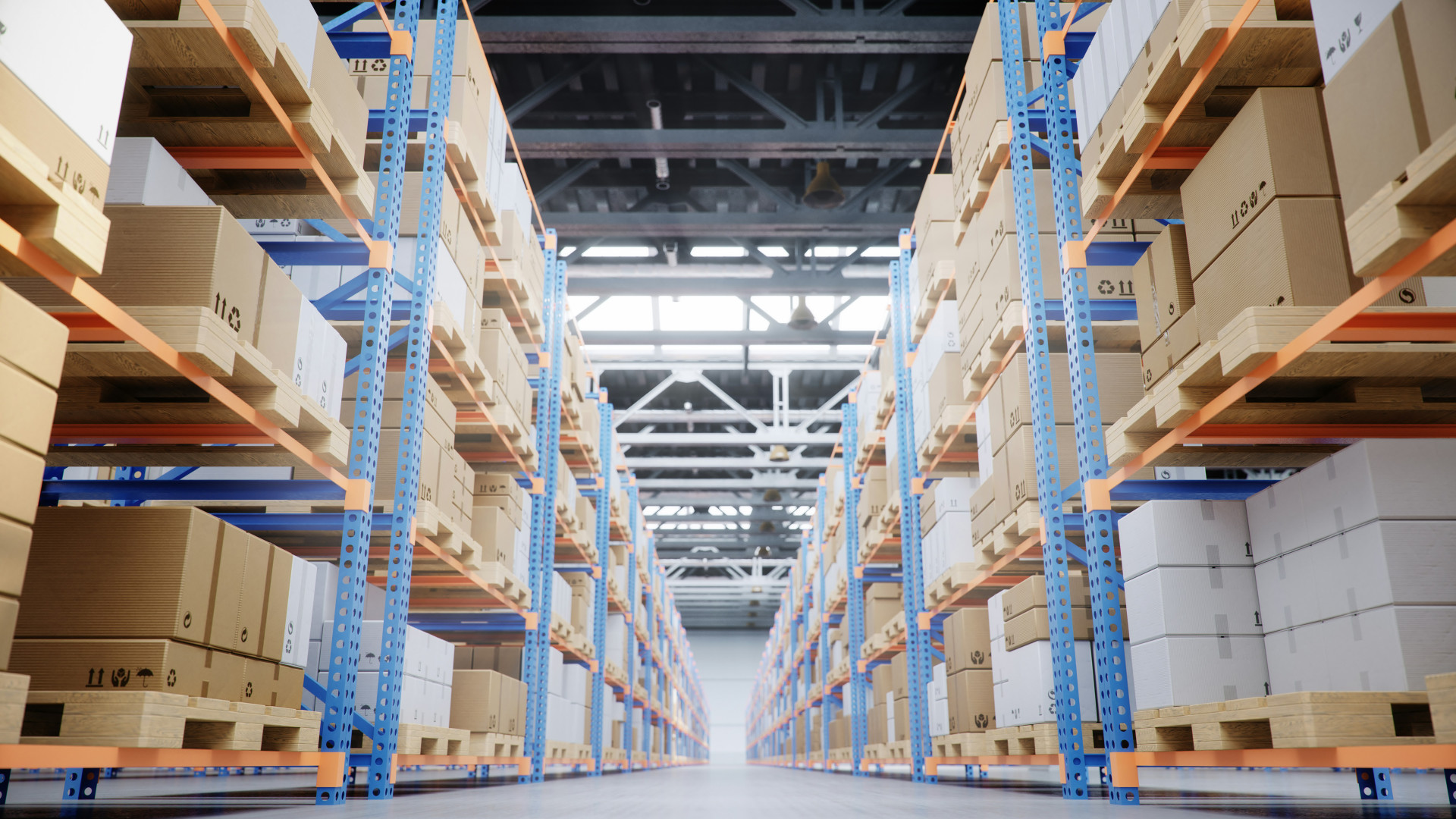
For decades, warehouses were defined by fixed shelves, manual handling, and paper-based systems. But as digitalisation reshapes industries across Ireland and beyond, the warehouse is evolving from a static storage space into a dynamic, data-driven hub. Technology is no longer just supporting logistics – it is redefining how warehouses are designed, managed, and optimised.
From fixed structures to flexible systems
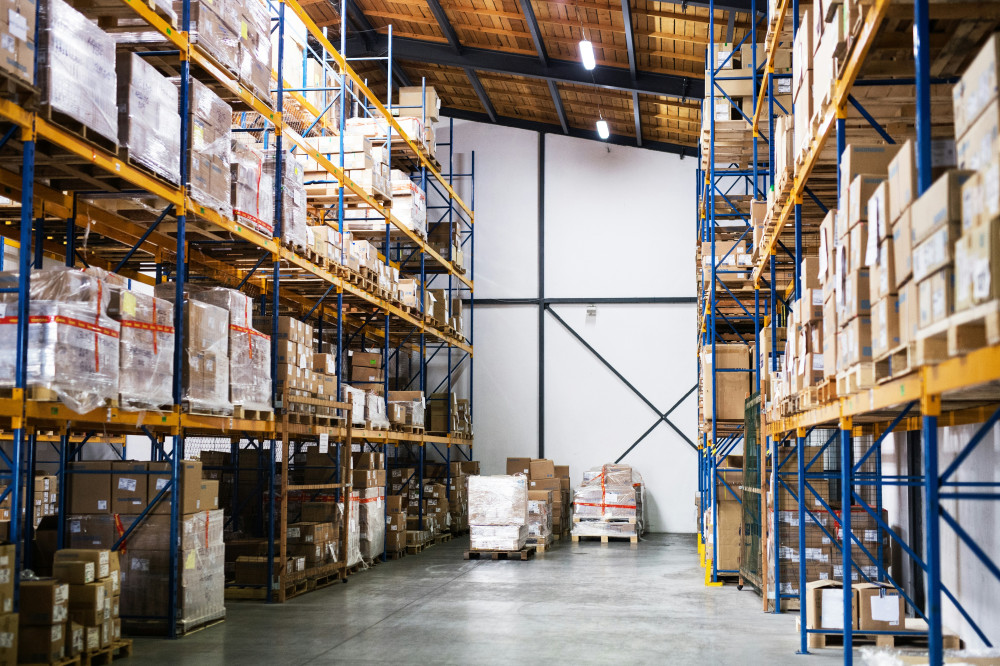
Traditional warehouse design followed predictable patterns: uniform shelving, fixed locations, and linear workflows. Today, digital warehouse management systems (WMS) and automation technologies have introduced a new level of flexibility.
Instead of assigning each product a permanent location, intelligent systems can dynamically allocate space based on demand, size, and turnover rate. Algorithms continuously optimise layout and movement, ensuring that every square metre is used efficiently.
This shift allows Irish logistics companies to respond faster to market changes, reduce handling times, and make better use of limited space – a crucial advantage in a country where industrial real estate is at a premium.
Data as the new architecture
Where warehouse layouts were once drawn on paper, they are now modelled digitally. Using data on product flow, picking times, and seasonal variations, designers can simulate multiple scenarios before construction even begins.
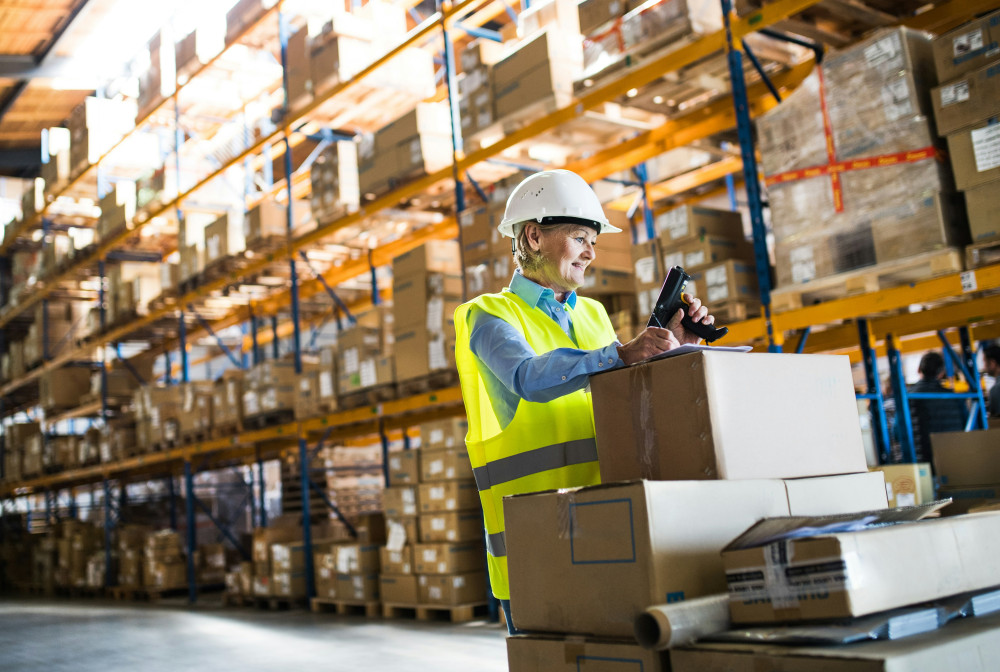
Data has become part of the architecture itself. Sensors, scanners, and IoT devices collect real-time information on movement, temperature, and capacity. These insights help predict bottlenecks, plan staffing, and optimise energy use.
The result is a warehouse that is not only efficient but intelligent – a space where decisions are guided by data rather than guesswork.
Læs også:


Automation and human collaboration
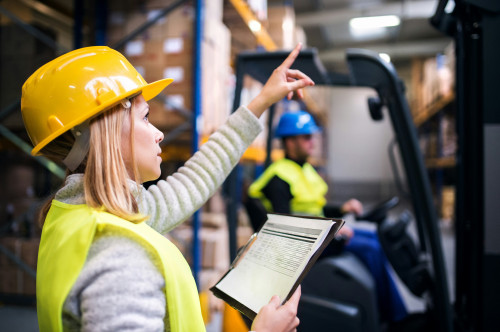
Automation is not new to warehousing, but digitalisation has made the collaboration between humans and machines more seamless. Picking robots now work alongside employees, while predictive systems anticipate which items will be needed next.
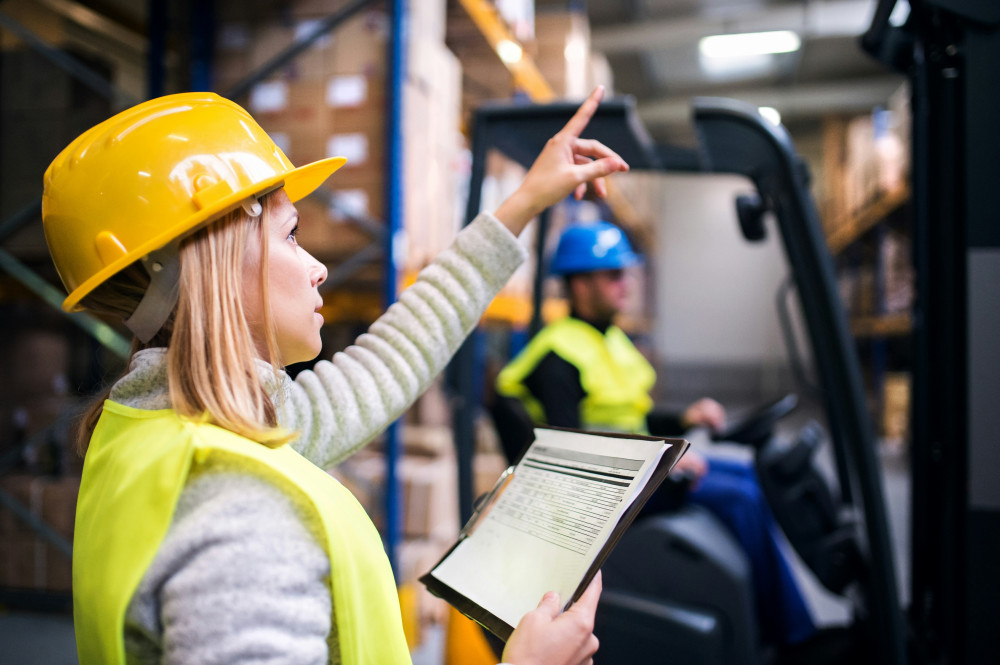
Workers are supported by digital tools such as tablets, voice-directed systems, or augmented reality glasses that guide them through tasks. This reduces physical strain, increases accuracy, and frees up time for higher-value work such as quality control and problem-solving.
In Ireland’s growing e-commerce and pharmaceutical sectors, this human-machine partnership is becoming a key factor in maintaining both speed and precision.
Sustainability through digital insight
Digitalisation is also driving sustainability. By analysing data on energy use, transport routes, and packaging, companies can identify opportunities to cut waste and lower emissions.
A smart warehouse can automatically adjust lighting and temperature based on activity levels or plan internal transport routes to minimise travel distance. These small optimisations add up to significant environmental benefits.
As Ireland continues to pursue its climate goals, digital tools are helping logistics providers align efficiency with responsibility.
The future warehouse: A network of data and decisions
The warehouse of the future may not be a single physical location. With cloud-based systems and real-time data, companies can manage multiple sites as one integrated network. Goods can be moved, ordered, and delivered based on live demand – creating a digital ecosystem that connects suppliers, warehouses, and customers.
In this environment, warehouse design is no longer just about shelves and square footage. It’s about data flow, integration, and collaboration across the entire supply chain.
From shelves to connections
Digitalisation has turned the warehouse into more than a place where goods stand still. It has become a living system where data, people, and machines interact to create value.
In the digital age, warehouse design is not defined by its shelves but by the connections between the data that move through them – transforming storage into strategy, and logistics into intelligence.
Læs også: