Unlocking potential: How to enhance course facilities for success
Unlocking potential: How to enhance course facilities for success
The Importance of Well-Designed Course Facilities
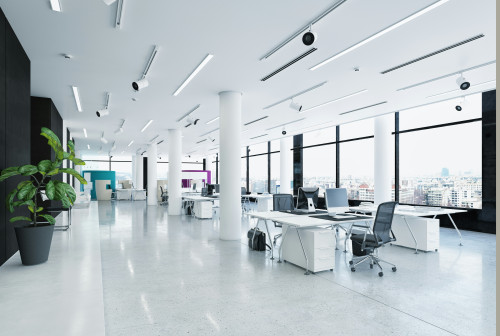
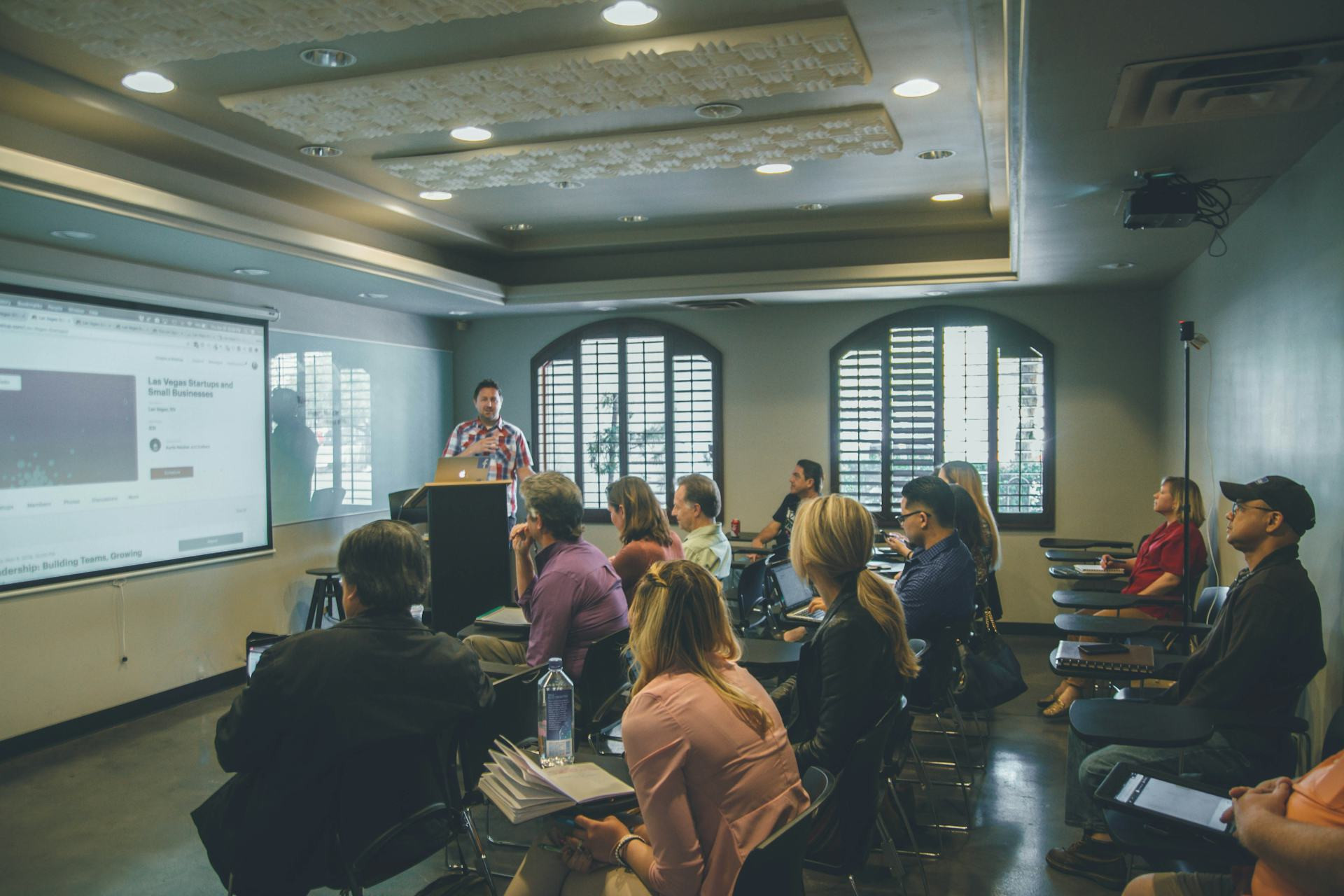
In today’s rapidly evolving educational landscape, the quality of course facilities plays a crucial role in the overall success of students. Facilities that are thoughtfully designed and equipped can foster an effective learning environment, encouraging engagement, collaboration, and creativity among learners. Ensuring that these facilities meet the needs of students and educators alike can drive success in both academic performance and personal development.
Assessing Current Facilities
The first step in enhancing course facilities is conducting a thorough assessment of the existing resources. This involves gathering feedback from students and teachers regarding their experiences with current infrastructure—what works, what does not, and what is missing. Surveys, focus groups, and one-on-one interviews can provide valuable insights that highlight areas for improvement. Analyzing how the spaces are utilized can identify underused areas and opportunities for redesign.
Creating Flexible Learning Spaces
Traditional classroom layouts often restrict interaction and innovation. To enhance learning, it is essential to develop flexible spaces that can be adapted to different teaching methods and activities. Modular furniture that can be easily rearranged and movable partitions that create various room configurations allow for diverse learning experiences. This flexibility encourages collaboration among students and enables educators to implement active learning techniques, such as group projects and peer discussions.
Incorporating Technology into Facilities
Modern education demands access to technology. Enhancing course facilities means integrating state-of-the-art technology that supports teaching and learning. Smartboards, projection systems, and high-speed internet access are just a few elements that can elevate the educational experience. Additionally, providing access to technology labs, virtual reality equipment, and collaborative software can prepare students for the digital age, making learning more interactive and engaging.
Creating Inclusive Environments
Inclusivity in educational settings is paramount. Enhancing course facilities includes designing spaces that cater to the diverse needs of all students. This might involve adjusting seating arrangements for individuals with mobility challenges, providing sensory-friendly spaces for those with sensory sensitivities, or ensuring that technology is accessible to students with different abilities. A focus on inclusivity not only promotes a sense of belonging but also enhances the overall effectiveness of the learning experience.
Promoting Wellness through Design
The physical environment can greatly impact the well-being and academic performance of students. Integrating elements of nature, such as natural lighting, plants, and outdoor spaces, can create a calming and inspiring atmosphere. Incorporating areas for relaxation, socializing, and physical activity can also contribute to mental health and reduce stress. Creating multifunctional spaces that support well-being fosters a positive attitude towards learning and personal growth.
Engaging the Community in Facility Development
Enhancing course facilities should not be a solitary endeavor. Engaging the local community in the development process can lead to meaningful improvements and a shared sense of ownership. Partnering with local businesses, educational organizations, and community leaders can bring new perspectives and resources. Workshops and events that invite community input can help shape facilities that reflect the needs and aspirations of all stakeholders, ensuring that they are both functional and relevant.
Measuring Success and Continuing Improvement
Once enhancements are made, it is crucial to measure their impact on student success and engagement continually. This can be achieved through ongoing assessments, feedback collection, and data analysis. Establishing key performance indicators related to academic outcomes, student satisfaction, and facility usage can guide further developments. Recognizing that facility enhancement is an ongoing process allows educational institutions to adapt and evolve with changing educational demands and trends.