Data in the Square Metres: Optimise the Use of Your Commercial Spaces with Data‑Driven Insights

Data in the Square Metres: Optimise the Use of Your Commercial Spaces with Data‑Driven Insights
Across Ireland, businesses are rethinking how they use their offices, retail units, and shared spaces. Rising rents, hybrid work patterns, and sustainability goals are prompting companies to ask: Are we really making the most of our square metres? Empty desks, underused meeting rooms, and uneven occupancy are common – but with data‑driven insights, you can turn that around. By understanding how your spaces are actually used, you can create more efficient, flexible, and sustainable environments that support both people and performance.
From Guesswork to Evidence
Decisions about office layouts and space requirements have often been based on assumptions: “We need one desk per employee” or “the meeting rooms are always full.” In reality, the data often tells a different story. Sensors, access logs, and booking systems can reveal exactly how your spaces are used throughout the day and week.
By analysing this data over time, you can identify clear patterns: When is the office busiest? Which areas sit empty? How often are large meeting rooms used for small gatherings? With this knowledge, you can make informed decisions rather than relying on intuition.
Smarter Planning and Happier Teams
Data‑driven space management isn’t just about cutting costs – it’s about creating workplaces that work better for people. When you understand how employees use the office, you can design spaces that match their needs and working styles.
- Flexible work zones: If data shows that many employees work hybrid, fixed desks can be replaced with activity‑based areas – quiet zones, collaboration hubs, and creative spaces.
- Right‑sized meeting rooms: Booking data might reveal that small meetings often occupy large rooms. Adjusting room sizes and layouts can improve availability and reduce frustration.
- Healthier indoor environments: Sensors that track temperature, CO₂, and noise levels can help fine‑tune ventilation and lighting, improving comfort and wellbeing.
When employees feel that the workspace supports how they work, satisfaction and productivity naturally increase.
Economic and Environmental Benefits
Every square metre costs money – in rent, energy, and maintenance. By using data to optimise space utilisation, Irish businesses can often reduce their total footprint by 10–30% without compromising functionality.
Less space means lower operating costs and a smaller carbon footprint. Freed‑up areas can be repurposed for innovation zones, shared facilities, or even sublet to other organisations.
Data also makes it easier to document sustainability progress. When you can demonstrate how energy use and space efficiency are connected, it becomes simpler to set measurable goals and track improvements – a growing priority as Ireland moves toward greener building standards.
How to Get Started
Becoming data‑driven with your commercial spaces doesn’t require massive investment. Start small and build from there.
- Define your goals. What do you want to understand – occupancy, wellbeing, or energy use?
- Select the right data sources. These might include access control data, Wi‑Fi logins, sensors, or room booking systems.
- Analyse and visualise. Use dashboards to spot trends and identify opportunities for improvement.
- Experiment and refine. Test changes on a small scale – new layouts, booking rules, or flexible zones – and measure the results.
- Engage your people. Share insights and involve employees in decisions. Their feedback ensures that solutions work in practice.
Læs også:
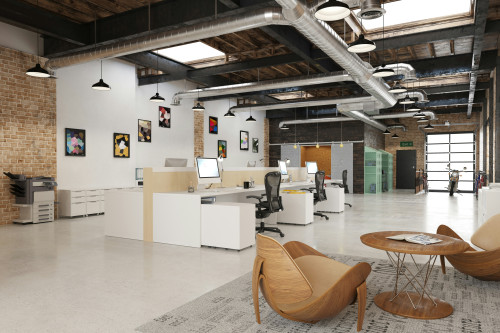
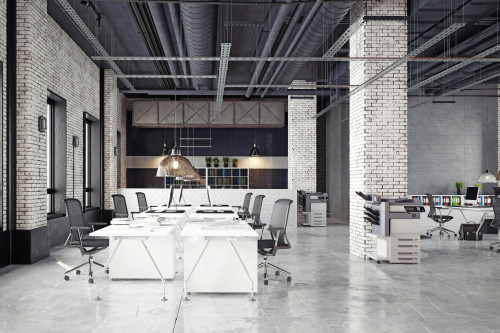
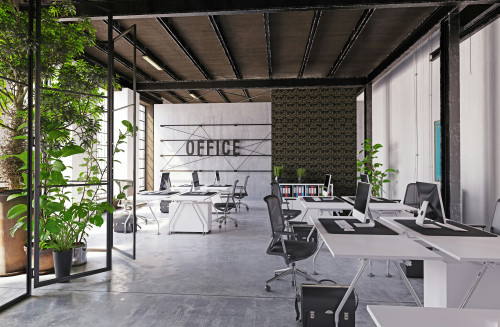
The Future Workplace Is Dynamic
The workplace is no longer a fixed location but a flexible ecosystem that adapts to changing needs. Data is the key to understanding how people and spaces interact – and to creating offices that are efficient, inspiring, and sustainable.
By using data as your decision‑making foundation, you don’t just optimise your square metres. You build a workplace that evolves with your business – supporting growth, innovation, and the wellbeing of everyone who walks through the door.
Læs også: