Continuing Education in a Digital Age: Supporting the Transition to New Ways of Working

Continuing Education in a Digital Age: Supporting the Transition to New Ways of Working
Digital transformation has reshaped how we work, learn, and connect. In Ireland, as in much of the world, new technologies, flexible work models, and the demand for continuous upskilling have made lifelong learning not just an option but a necessity. For both employees and employers, the challenge is to keep pace in a world where change is constant and adaptability is key.
This article explores how continuing education can support the transition to new ways of working, and how Irish organisations and individuals can embrace the opportunities of the digital age.
A Changing Workday
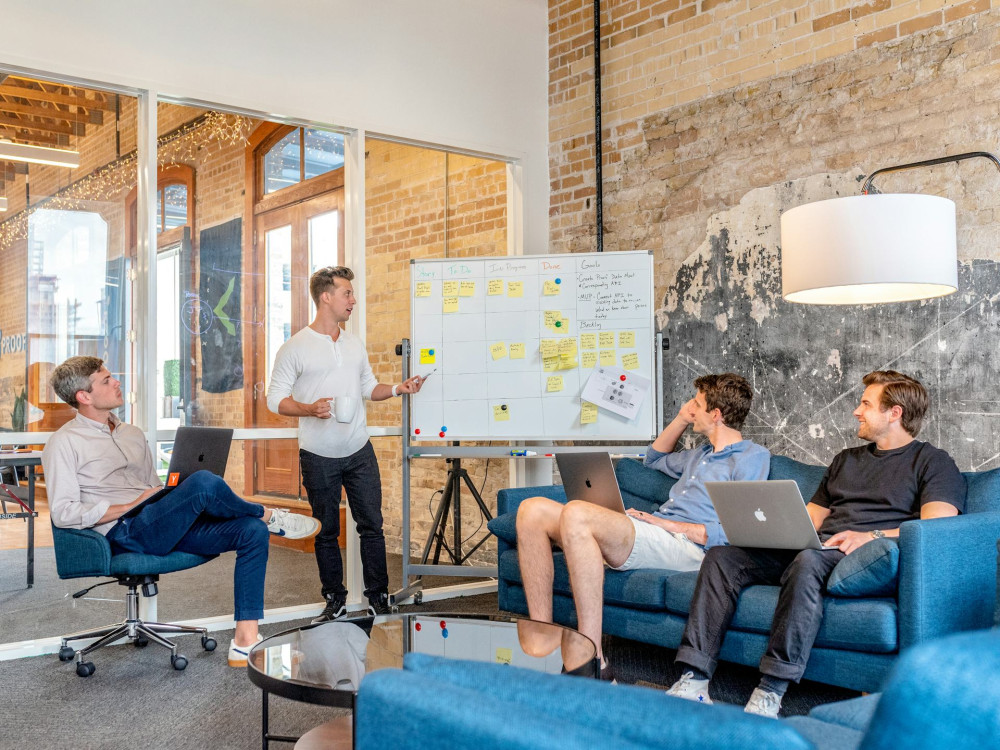
Remote and hybrid work have become part of everyday life for many Irish professionals. Video meetings, cloud-based collaboration tools, and digital workflows are now standard in sectors ranging from finance and healthcare to education and public administration. These changes require not only technical know-how but also new social and communication skills.
Where once it was enough to master a company’s internal systems, today’s employees must navigate multiple digital platforms, manage virtual teamwork, and stay motivated even when colleagues are miles away. Continuing education plays a vital role in building these capabilities, helping people to use technology effectively while maintaining strong human connections.
Lifelong Learning as a Competitive Advantage
In a digital economy, learning is no longer confined to formal education or early career stages. Automation, artificial intelligence, and data-driven decision-making are transforming job roles across Ireland’s industries. To stay relevant, workers must continuously update their skills.
Irish businesses that invest in employee development often see higher engagement, stronger retention, and greater innovation. For individuals, ongoing education can be the key to career resilience and personal fulfilment. It’s not just about acquiring new knowledge, but about applying it in a rapidly evolving digital context.
Læs også:
New Learning Formats – Flexibility and Accessibility
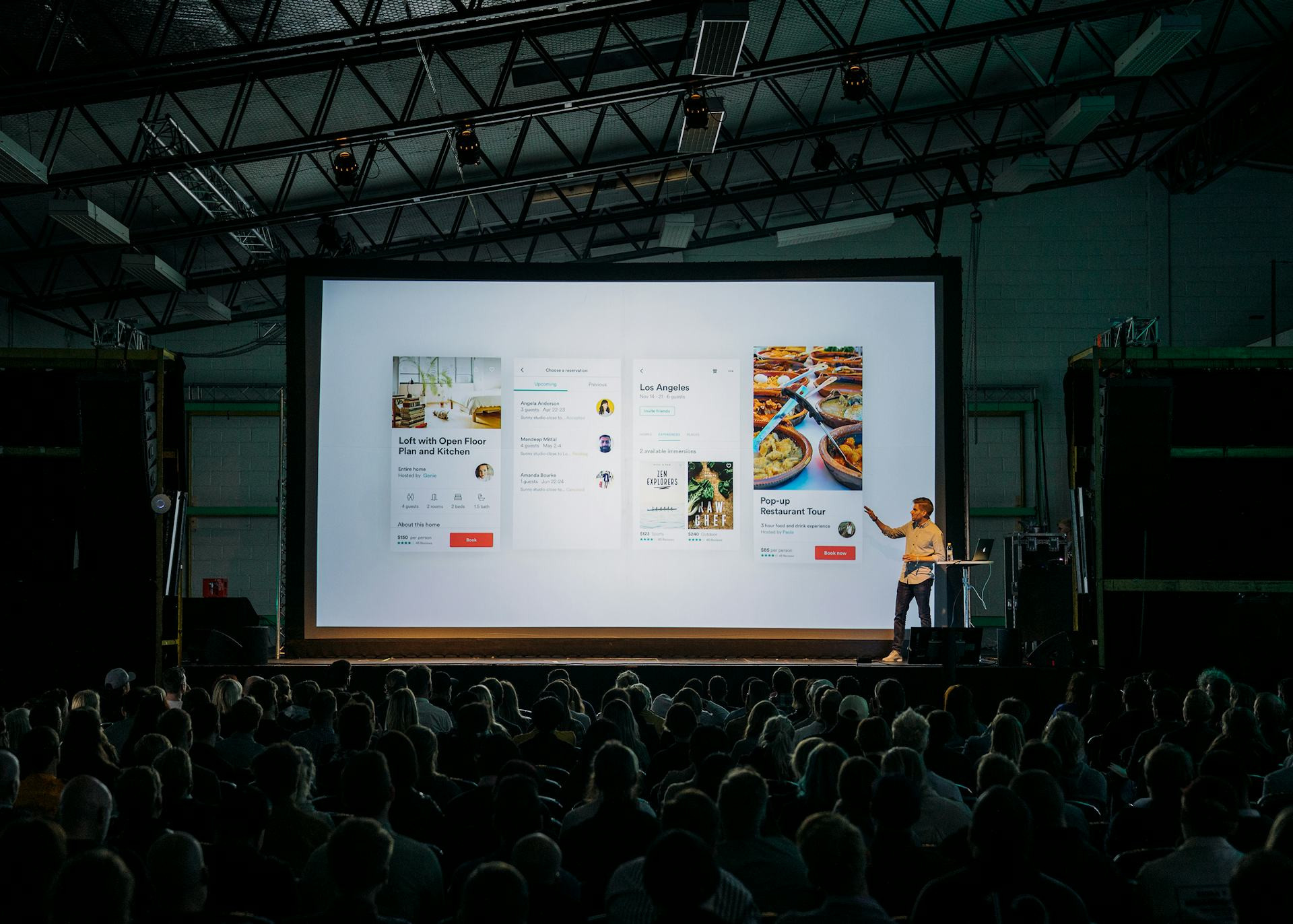
Digitalisation has also revolutionised how we learn. Online courses, micro-credentials, and blended learning programmes make it easier than ever to study at one’s own pace and from any location. Irish universities, training providers, and professional bodies now offer flexible, modular courses that fit around work and family life.
This flexibility means that upskilling no longer requires long absences from work. Learning can be integrated into daily routines, supported by digital platforms that encourage collaboration and knowledge sharing. Participants can connect with peers across sectors and regions, building networks that foster innovation and cross-disciplinary insight.
The Role of Leadership in Digital Transformation
Successful continuing education depends on more than access to good courses—it requires a culture that values learning. Leaders play a crucial role in creating this environment. They must encourage curiosity, support experimentation, and view mistakes as opportunities for growth.
Irish organisations that embed learning into their strategy are better equipped to adapt to technological and market changes. When leaders model continuous learning themselves, they send a powerful message: development is part of the job, not an optional extra.
From Skills Development to Wellbeing
Continuing education is not only about professional competence—it also supports wellbeing. Learning something new fosters confidence and a sense of progress, which can help counter stress and uncertainty during times of change. Shared learning experiences can strengthen team cohesion and build trust, even in remote or hybrid settings.
When employees feel that their growth is valued, motivation and loyalty increase. Investing in learning is therefore both a human and an economic decision—one that benefits individuals, organisations, and society as a whole.
The Future of Continuing Education – Keeping People at the Centre
While technology drives change, it is people who make transformation possible. The future of continuing education in Ireland must therefore balance digital skills with human ones: collaboration, creativity, empathy, and critical thinking.
These are the qualities that enable us to use technology wisely and to build workplaces where innovation and wellbeing go hand in hand. Continuing education in a digital age is ultimately about preparing ourselves to stay curious, adaptable, and ready to learn—whatever the future brings.
Læs også: