Busting the myth: Forklifts are essential for warehouse efficiency
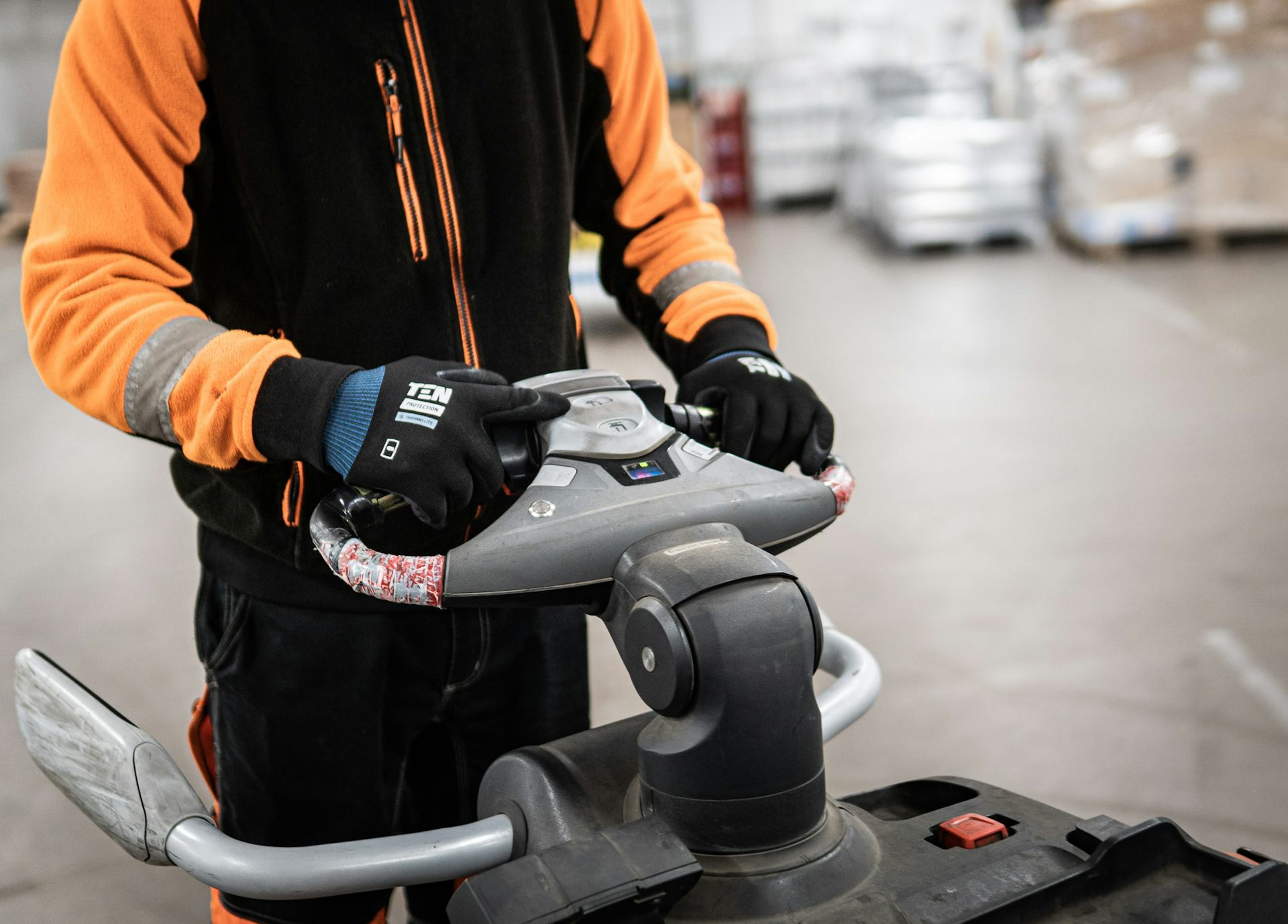
Busting the myth: Forklifts are essential for warehouse efficiency
In the fast-paced world of logistics and warehousing, efficiency is the name of the game. Many businesses constantly seek innovative tools and methods to maximize productivity. One common misconception is that forklifts are merely optional. However, this article aims to demystify this notion and highlight the crucial role forklifts play in enhancing warehouse efficiency.
The Role of Forklifts in Modern Warehousing
Forklifts serve as critical tools in optimizing warehouse operations. They enable the rapid movement of goods, whether from receiving docks to storage areas or between different parts of the warehouse. Unlike manual labor, which can be slow and prone to errors, forklifts streamline processes, allowing for efficient loading and unloading.
Reducing Labor Costs
One of the most significant advantages of utilizing forklifts in a warehouse setting is the reduction in labor costs. While manual material handling can require several employees to operate efficiently, one forklift operator can do the work of multiple workers.
This efficiency does not just save on wages; it also reduces the risk of accidents and injuries associated with heavy lifting. Less manual labor means fewer healthcare costs and a safer work environment.
Enhancing Safety and Reducing Injury
Warehouse operations can be hazardous, with heavy materials being moved around daily. Forklifts contribute to a safer workplace by minimizing manual handling of loads. With proper training, operators can maneuver forklifts safely and efficiently, significantly reducing the likelihood of workplace injuries.
Moreover, modern forklifts come equipped with advanced safety features, such as automatic braking systems and stability controls. These features help protect both the operators and the warehouse staff from potential accidents, underscoring the argument that forklifts are not just beneficial but essential for promoting safety.
Flexibility in Operations
Another critical aspect to consider is the flexibility that forklifts offer in warehouse operations. Depending on the specific needs of the warehouse, various types of forklifts are available, including electric, pneumatic, and reach forklifts.
This versatility allows businesses to choose the right tools for specific tasks. For example, reach forklifts can maneuver in tight spaces, making them ideal for high-density storage systems. This adaptability ensures that warehouses can operate optimally, regardless of their layout or inventory type.
Streamlining Inventory Management
Efficient inventory management is vital for warehouse productivity. Forklifts can quickly transport items to and from various locations within the warehouse, facilitating a more streamlined management system. Real-time movement tracking allows for a more organized inventory process, ensuring that products are easily accessible when needed.
Additionally, forklifts support better utilization of vertical space. This aspect is crucial in warehouses with limited floor space. By lifting items to higher shelves, forklifts maximize available storage and help maintain an organized workspace.
Cost-Effectiveness in Long-Term Operations
Investing in forklifts may seem daunting initially due to their purchase or lease costs. However, the long-term benefits often outweigh these expenses. The increased efficiency translates into faster order fulfillment, reduced labor costs, and lower injury rates, ultimately leading to higher profit margins.
Moreover, many companies opt for forklift rental services, which can be a cost-effective solution for seasonal fluctuations in inventory and workload. This flexibility ensures that businesses can scale operations up or down without heavy investment in equipment.
Fostering a Productive Work Culture
When employees have access to the right tools, such as forklifts, it fosters a sense of empowerment and productivity. Workers can focus on their tasks without the physical strain of manual handling. This ease of operation translates into improved morale and job satisfaction among employees, further enhancing warehouse productivity.
Offering training and the necessary equipment shows employees that the company values their safety and well-being, which can lead to increased loyalty and reduced turnover rates.
In summary, the vital role of forklifts in ensuring warehouse efficiency cannot be overstated. From improving safety to enhancing flexibility and inventory management, these machines are key players in a successful logistics operation. Understanding their significance is essential for any organization seeking to thrive in the competitive warehouse environment.